%@LANGUAGE="JAVASCRIPT" CODEPAGE="65001"%>


HOW TO SPEAK SOLAR!
DEFINITIONS OF COMMON WORDS/PHRASES USED IN THE ENERGY EFFICIENCY INDUSTRY
Alternative fuel: biodiesel (alkyl or esters made by transesterifying new or used vegetable oils and animal fats as well as waste products for use in compression-ignition diesel engines), electricity, ethanol, hydrogen, methanol, compressed and liquefied natural gas, propane (liquefied petroleum gas), P-Series (certain patented clear, colorless, 89-93 octane, liquid fuel blends), and solar energy. As of now, this definition is mainly identified with fuels for vehicles.
Biomass : the energy from organic matter.
Clean fuel: Ethanol, Ethyl tertiary butyl ether ((ETBE) ethanol and isobuylene mixture), methanol, methyl tertiary butyl ether ((MTBE) reaction of methanol and isobuylene), and biodiesel
Energy efficient: a nomenclature given to products or systems that use less energy and have the same or better performance than conventional products or systems. Energy efficient products/systems are meant to save nonrenewable resources and/or use renewable resources; to save money on utility bills; and to protect the environment by producing little or no waste.
Note: Anything can be claimed as "energy efficient." So we recommend you look to the EPA Energy Star program when buying rated products like appliances. Try to meet or exceed those standards.
EPA Energy Star Program: the Environmental Protection Agency standard energy efficiency requirements for a product or system to meet.
Fossil fuel: coal, oil, and natural gas. These fuels are formed by fossil remains of plants and animals and are not considered renewable because when the source runs out it doesn't replenish or replace itself in a human lifetime.
Geothermal: energy produced or absorbed by the earth's interior.
Green power: electricity generated from renewable energy sources or combination of renewable and fossil resources.
Grid-tied: any or all energy or electricity that you use in your home or office that is received from the utility company and its sources.
Hydropower or hydroelectric power: power or electricty generated by harnessing the power of moving water, such as power produced by river water flowing through dam turbines.
Microhydro power: hydropower or hydroelectric power produced on a small scale, for instance utilizing a running stream on your property for power.
Natural gas: a fuel formed from the natural gases given off or formed by plant and animal fossils. Natural gas is considered nonrenewable because there is a finite end to the resources.
Off-grid: any or all energy or electricity that is derived from products or systems that are not provided by utility companies and their sources, such as solar power.
Passive solar: the use of the sun's energy for the heating and cooling of living spaces. Heat rises and cold air falls, passive solar products, systems, and designs use these basic principals of nature.
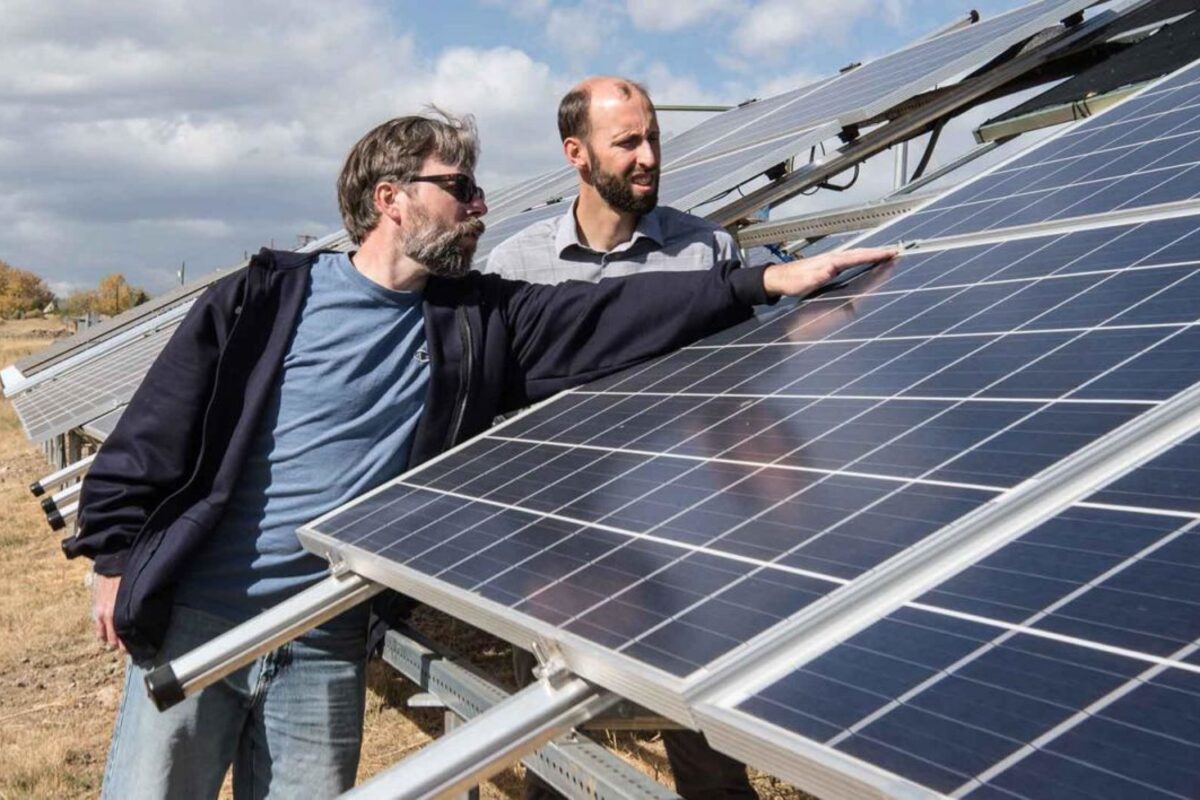
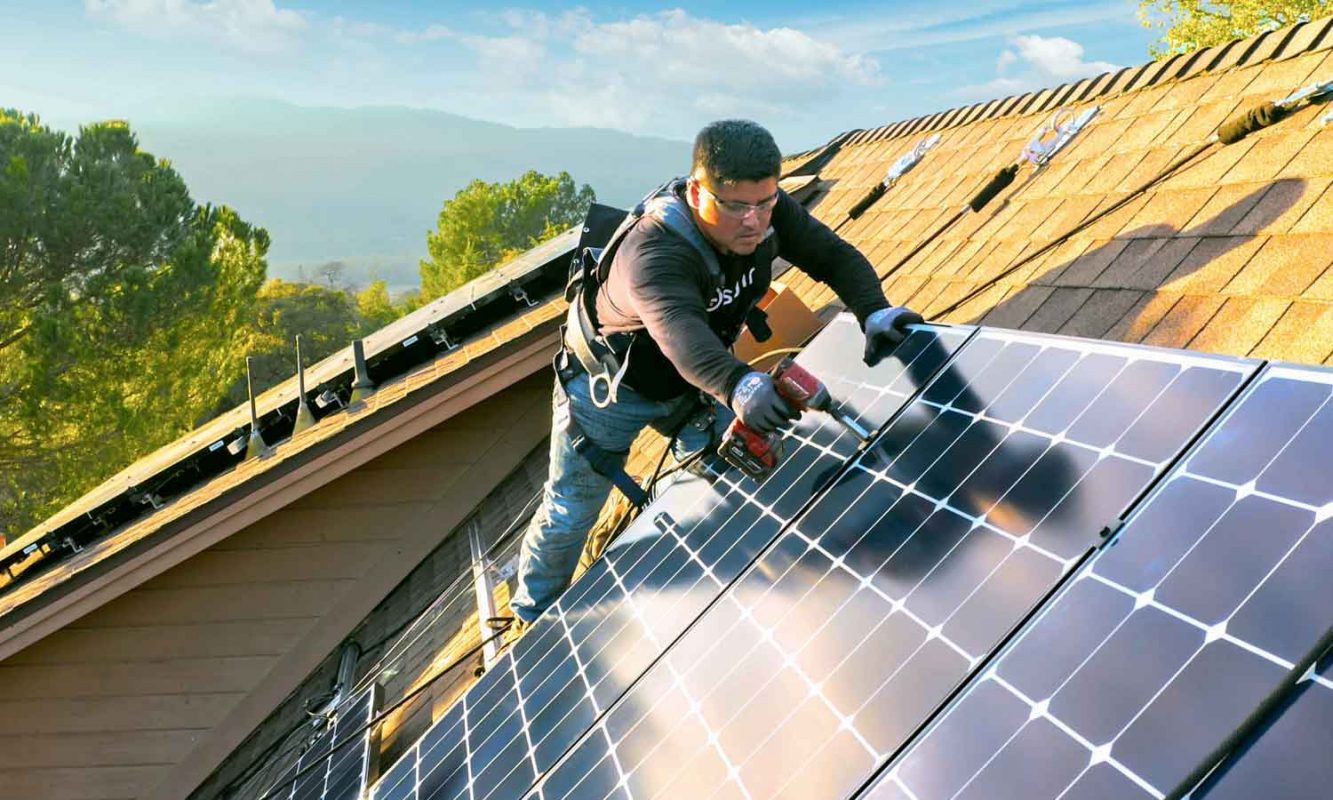
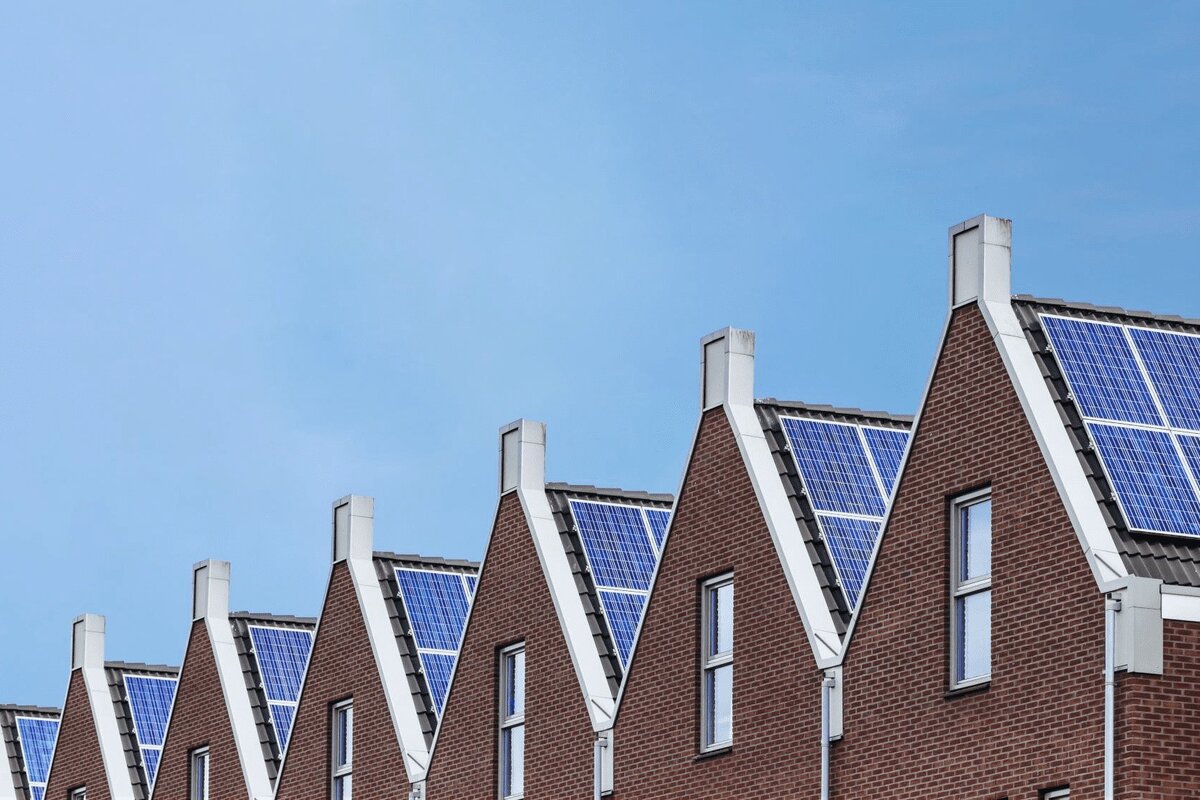
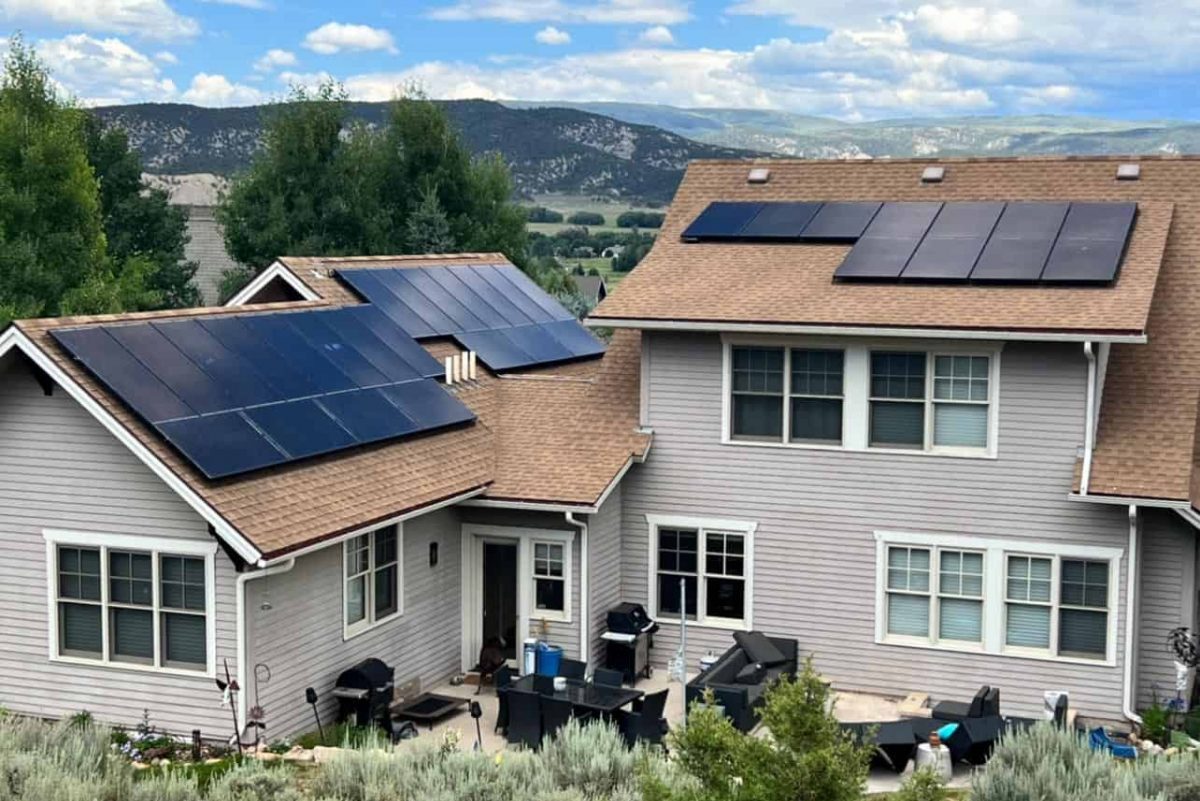
Photovoltaic (PV) panel: also known as a solar cell, the panel uses semiconducting materials to absorb sunlight (photons), then converts the photons into electrons that are stored or used as energy.
Radiant: products or energy that gives out, emits, or reflects heat or energy.
Renewable energy: refers to electricity supplied by energy sources that are naturally and continually replenished, such as wind, solar power, geothermal, hydropower, and various forms of biomass.
Solar: of the sun; produced or operated by the sun's light or heat.
Structural insulated panel (SIP): a laminated sandwich panel made of oriented strand board (OSB) exterior skins with polyurethane or polystyrene rigid foam in the middle. In construction, takes the place of conventional stud wall framing, insulation installation, interior substrate application, exterior substrate application. Structural panels are typically two outer layers of structural sheathing material separated by an insulated core. They are made in different sizes according to the job's requireentsm.
Structural panels replace the standard stud/insulation/sheathing wall system. Some panels have sheetrock mounted on the inside portion, and/or siding on the exterior. Most have sheathing such as OSB for facings. Panels can be fabricated with three types of foam cores: molded expanded polystyrene (MEPS), extruded polystyrene (XEPS), and urethane (polyurethane and polyisocyanurate are types of urethane). There are several options for facings: plywood, waferboard, oriented strand board (OSB), sheetrock, and metal. Exterior surface materials such as T-1-11 siding are offered by some suppliers. XEPS and urethane foam use CFC's or HCFC's as blowing agents. MEPS does not use any ozone-depleting chemicals. For credit from the Green Builder Program for this option, MEPS insulation or an alternative that has no ozone-depleting chemicals must be used. Additionally, waferboard, OSB, sheetrock and/or siding need to be used as facings.
Utility company: the local government or private business that produces and sells electricity to the public.
Wind power or wind generated: energy or electricity generated by blowing wind, such as windmills.
| SOLAR HOT WATER |
Solar hot water systems collect the sun's radiant energy and use the energy to heat a home or building's water. Solar hot water is sometimes referred to as solar thermal. One of the most cost-effective renewable technologies, the use of a solar hot water system on a home or office building can reduce or eliminate the building's need to use electricity or fossil fuels for hot water production. Most solar hot water systems have two or three main parts: a solar collector and a storage tank, and when needed, a heat exchanger. There are two types of commonly used collectors; flat-plate collectors and evacuated tube collectors. The most frequently used collector in solar hot water systems is the flat-plate collector. |
Solar hot water systems can be either active or passive:
|
|
|
|
|
|
|
|
Uses for Solar hot water / Solar heating |
|
|
|
|
|
|
SOLAR PHOTOVOLTAIC (PV) |
The definition of "photovoltaic": of, relating to, or utilizing the generation of a voltage when radiant energy falls on the boundary between dissimilar substances (as two different semiconductors). Source - Merriam Webster Dictionary |
Simpler explanation...The word 'photo' is from the Greek word "phos" meaning 'light'. The word 'voltaic' means of, relating to, or producing direct electric current by chemical action (as in a battery). Therefore photovoltaic, also known as PV, means using light to produce electricity. |
An easy way to remember what 'photovoltaic' is, is to relate it to another process that uses light to produce energy, photosynthesis. |
Most people learned in elementary or middle school about photosynthesis, when plants absorb and process (synthesis) the sun's light (photo) into energy for the plant's chlorophyll-containing tissues. |
Photovoltaic is when materials, like silicon, absorb and process the sun's light (photo) into energy, in this case electrical voltage (voltaic), otherwise known as electricity. |
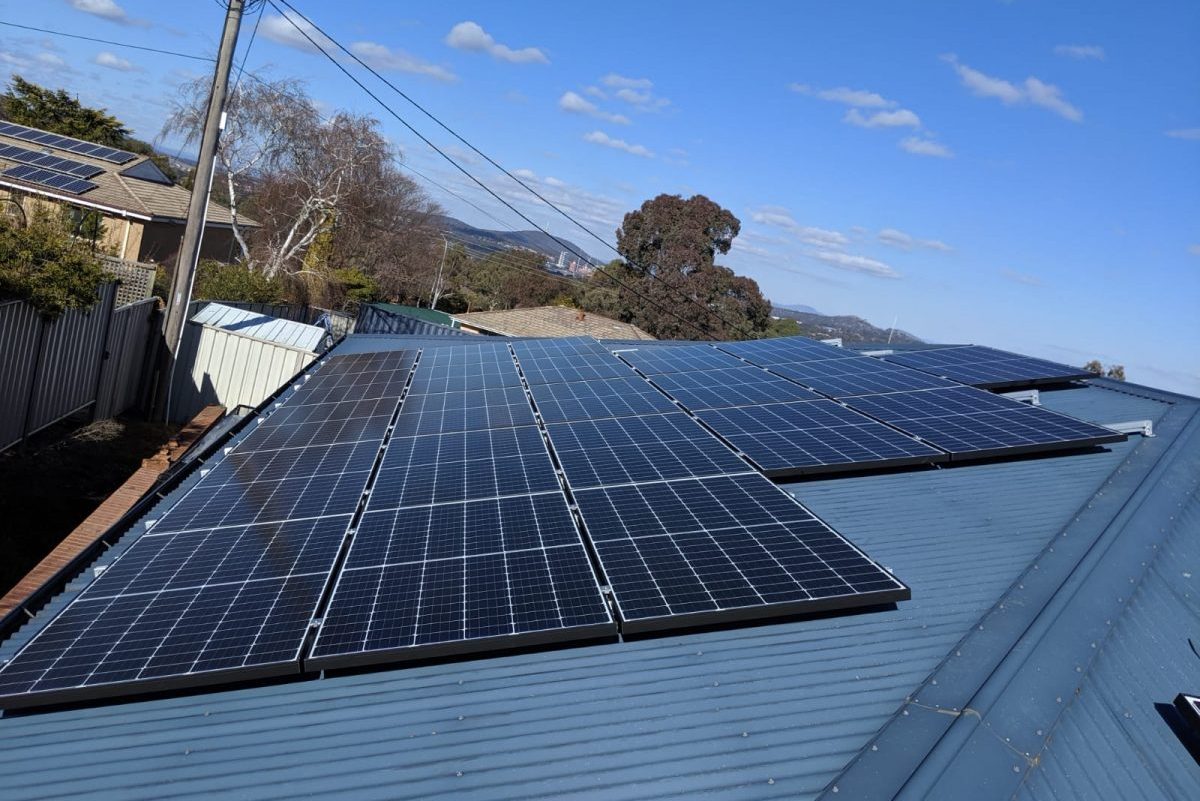
Solar photovoltaic or PV uses either wafers of sliced silicon (mono- or poly-crystalline) or a combination of silicon and other materials that are coated (amorphous) to capture energy. These materials are usually placed in a flat support structure to make a 'PV panel'. A PV panel can be used by itself or wired together with more PV panels in what is called an 'array' to produce more electricity. |
SOLAR THERMAL |
The term "solar thermal" is used when talking about the collection of the sun's radiant energy to produce heat. Solar thermal is most often used in conjunction with the terms "solar hote water" and "concentrated solar power". |
|
|
PASSIVE SOLAR: HEATING AND COOLING |
Passive solar is a design concept in which a home or building is designed and built to take advantage of nature's heat (passive heating) and cold (passive cooling). In passive heating, the sun's heat or the earth's heat (geothermal), is used to warm the interior of a building, all without the help of mechanical means. Passive cooling is the opposite, blocking the sun's heat, and using natural ventilation and air flow to keep the interior cool. Passive solar design takes into consideration that in the winter you want as much of the sun's heat and light to stream into your living space for warmth, and in the summer you want very little or none of the sun's heat and direct light into your living space to keep your rooms cool. Both passive heating and passive cooling use laws of nature. They incorporate the positioning of the sun at certain times of the year, the heating and cooling absorption properties of building materials, and natural air movement. Other factors that are considered in passive solar design: the positioning and size of walls and windows; open floor plans for air flow, ventilation, and light; and exterior shadings and overhangs. Solar passive heating and cooling can also be used in conjunction with geotheramal heating and cooling. Passive solar designs can also utilize daylighting. Daylighting is the principle or practice of using natural daylight to light interior spaces during the day instead of lamps and fixtures that require electricity. |
![]() |
![]() |